
Questions
When to See a Veterinarian Immediately: Emergency Signs & What to Do
See a veterinarian immediately if your pet has trouble breathing, collapses, has a hard swollen abdomen, is bleeding uncontrollably, or has been poisoned. These signs require urgent care to save your pet's life.
When to See a Veterinarily Immediately: Recognizing Emergency Signs
If your pet shows any of these signs, don't wait—seek emergency veterinary care right away. Acting quickly can make all the difference.
- Trouble breathing or choking: Gasping, labored breaths, blue gums, or excessive coughing mean your pet isn't getting enough oxygen.
- Sudden collapse or unresponsiveness: If your pet falls over, can't stand, or seems confused, it could signal a serious issue like a seizure or heart problem.
- Hard, swollen abdomen: A distended belly that feels tight may indicate bloat (Gastric Dilatation-Volvulus), a life-threatening condition in dogs.
- Severe bleeding or poisoning: Uncontrolled bleeding from a wound or suspected ingestion of toxins (like chocolate, xylitol, or grapes) requires immediate action.
- Repeated vomiting or diarrhea: Especially if there's blood in the vomit or stool, or if your pet can't keep water down.
- Inability to walk or extreme pain: Limping, crying, hiding, or refusing to move are signs of severe distress.




Bleeding or Poisoning: When to See a Veterinarian Immediately
If your pet is bleeding or has ingested something toxic, follow these steps while heading to the vet.
- Stay calm and assess: Check the source of bleeding or identify the poison (if known). Keep your pet as still as possible.
- Control bleeding: Apply gentle pressure with a clean cloth or bandage. Don't remove embedded objects.
- Call ahead: Contact us at (818) 225-1661 to let us know you're coming. We can give first-aid advice and prepare for your arrival.
- Bring the toxin: If poisoning is suspected, bring the container or a sample of what your pet ate. This helps us treat faster.
- Drive safely: Transport your pet in a secure carrier or have someone hold them. Avoid giving food or water unless instructed.
Is a Swollen Abdomen an Emergency? When to See a Veterinarian Immediately
A hard, distended belly can be a sign of bloat (Gastric Dilatation-Volvulus), which is a medical emergency, especially in large, deep-chested dogs. Watch for these signs:
- Hard, swollen stomach: The abdomen feels tight like a drum and may be painful to the touch.
- Unproductive retching: Your dog tries to vomit but brings up nothing or only foam.
- Restlessness or pacing: They can't settle, may drool excessively, or seem anxious.
- Rapid breathing or collapse: The stomach pressure can affect breathing and blood flow.
If you notice these, call us immediately at (818) 225-1661 and head to our clinic in Woodland Hills. Bloat can be fatal within hours without treatment.
When to See a Veterinarian Immediately for Vomiting or Diarrhea
A good fit if…
- Vomiting or diarrhea persists for more than 24 hours.
- There's blood in the vomit or stool (bright red or dark/tarry).
- Your pet is lethargic, dehydrated, or can't keep water down.
- They've eaten something toxic or a foreign object.
Consider another option if…
- It's a single episode and your pet is acting normal.
- No blood and they're eating and drinking normally.
- You suspect a mild dietary indiscretion (like eating grass).
Trust your instincts. If you're unsure, it's always safer to call us. We can help you decide if a visit is needed.
Gastric dilatation volvulus
Gastric dilatation volvulus (GDV) is a life-threatening condition in dogs where the stomach fills with gas and twists on itself. This cuts off blood flow and traps gas, causing the abdomen to become hard and distended. Deep-chested breeds like Great Danes and German Shepherds are at higher risk. Without prompt treatment, GDV can lead to shock and death within hours. If your dog shows signs of a swollen belly, unproductive retching, or restlessness, seek emergency veterinary care immediately.
Directions to our veterinarian in Woodland Hills from Leonis Adobe
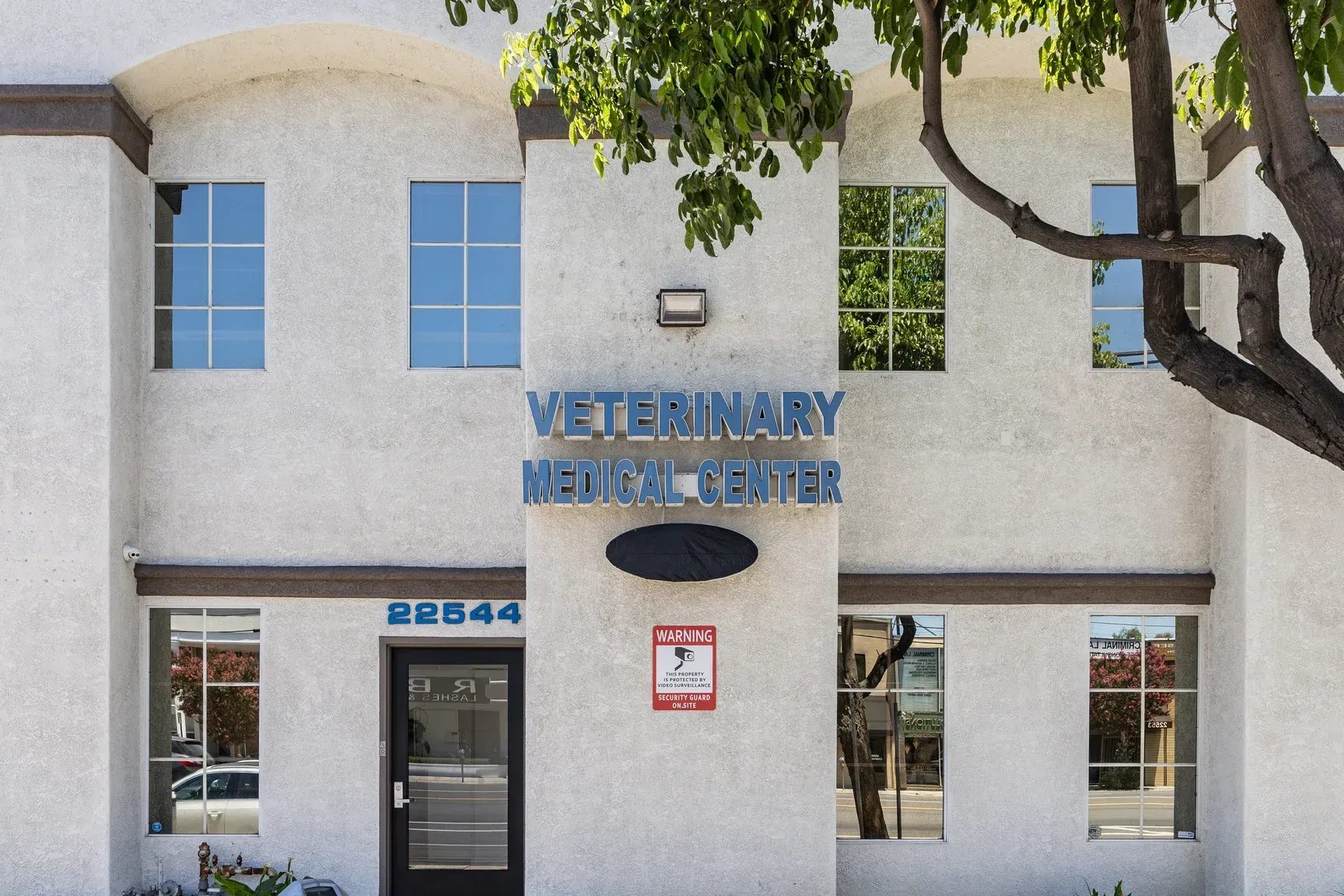
Start at Leonis Adobe and head to Veterinary Medical Center of Woodland Hills at 22544 Ventura Blvd, Woodland Hills, CA 91364.
When Breathing Becomes an Emergency: Steps to Take Now
If your pet is struggling to breathe, every second counts. Here's what to do:
- Stay calm and keep your pet calm: Stress worsens breathing. Speak softly and avoid sudden movements.
- Check for obstructions: Look in their mouth for foreign objects, but don't stick your fingers in if they're agitated.
- Position them comfortably: Let them sit or stand as they prefer. Don't force them to lie down.
- Call us at (818) 225-1661: We can guide you and prepare for your arrival. Drive immediately to our clinic at 22544 Ventura Blvd, Woodland Hills.
- Keep them cool: If it's hot, use a fan or damp cloth. Overheating can worsen breathing issues.
Sudden Collapse or Stumbling: When to See a Veterinarian Immediately
If your pet suddenly collapses, can't stand, stumbles repeatedly, or seems confused, it's a serious emergency. Possible causes include:
- Seizure or stroke: Look for uncontrolled shaking, disorientation, or loss of consciousness.
- Heart problems: Collapse after exercise or excitement can signal cardiac issues.
- Low blood sugar or toxins: Especially in small dogs or if they've ingested something harmful.
- Trauma: Even if you didn't see an accident, internal injuries can cause sudden weakness.
Bring your pet to us immediately. We're located in Woodland Hills and serve Calabasas, Agoura Hills, Malibu, and beyond.
When Pain Means Emergency: When to See a Veterinarian Immediately
A good fit if…
- Your pet is crying, whimpering, or yelping when touched.
- They're hiding, not eating, or refusing to move.
- There's visible limping, swelling, or a wound.
- They're panting excessively or have a rapid heart rate from pain.
Consider another option if…
- Mild limping that improves with rest.
- Your pet is still eating and acting mostly normal.
- Pain seems related to a known condition (like arthritis) and is manageable.
If you're unsure about the severity, call us. We can help you decide if it's an emergency or can wait for a regular appointment.
For details on services and visits, see the main page about veterinarian woodland hills.
Sources
Frequently asked questions
When to take a dog to the vet for the first time?
Puppies should see a veterinarian for their first wellness exam and vaccinations around 6–8 weeks of age. This early visit helps establish a health baseline and start parasite prevention.
What is the rule of 20 in veterinary medicine?
The rule of 20 is a critical care monitoring checklist used in veterinary ICUs to track 20 key parameters (like heart rate, blood pressure, and hydration) in critically ill pets. It helps ensure no vital sign is overlooked.
How to tell if dog diarrhea is serious?
Serious diarrhea includes blood, mucus, black or tarry stool, or if it's accompanied by vomiting, lethargy, or loss of appetite. If your dog has multiple episodes or seems dehydrated, consult your vet.
Is it better to treat diarrhea or let it run its course?
Mild diarrhea in an otherwise healthy pet may resolve on its own with a bland diet and plenty of water. However, if it persists beyond 24 hours, contains blood, or your pet seems unwell, veterinary care is needed.
What stops diarrhea fast immediately?
There is no guaranteed fast fix. A bland diet (boiled chicken and rice) can help, but severe cases may require veterinary treatment like fluids or medication. Never give human anti-diarrheal drugs to pets without vet approval.
Also asked as
- When should I take my pet to the emergency vet?
- What are the signs my dog needs emergency care?
- How do I know if my cat needs urgent veterinary attention?