
Questions
When to Take Your Puppy for Their First Vet Visit: Age, Cost & Checklist
Take your puppy for their first vet visit at around 6 to 8 weeks of age, ideally within the first few days after bringing them home. This initial checkup establishes a health baseline and starts their vaccination schedule.
When to Take Your Puppy for Their First Vet Visit
Your puppy's first vet visit should happen at around 6 to 8 weeks of age. If you adopted an older puppy, schedule the appointment as soon as possible after bringing them home. Here's how to time it right:
- Check adoption age. Most puppies leave their mother and littermates at 8 weeks old. If you get your puppy earlier, schedule the vet visit immediately.
- Call within 48 hours of adoption. Even if your puppy appears healthy, a prompt checkup ensures they start life on the right paw.
- Schedule the first vaccine series. The first round of core vaccines is typically given at 6–8 weeks, with boosters every 3–4 weeks until 16 weeks.
- Bring any records. If your puppy came with vaccination or deworming records from the breeder or shelter, share them with the vet so we can tailor the schedule.
- Plan for follow-ups. After the first visit, we'll see your puppy every 3–4 weeks for boosters and checkups until they are fully vaccinated.

What to Expect at Your Puppy's First Vet Appointment
Knowing what happens during the first visit can ease your nerves. Here's what we typically do:
- Comprehensive physical exam. We'll check your puppy's eyes, ears, mouth, heart, lungs, abdomen, skin, and coat to assess overall health.
- Vaccinations. Your puppy will receive their first core vaccines (distemper, parvovirus, adenovirus) and possibly others based on risk.
- Deworming. We'll administer a dewormer to treat common intestinal parasites, and we may recommend a fecal exam to check for other worms.
- Microchip discussion. We'll talk about microchipping for permanent identification and can place a microchip during the visit if you choose.
- Parasite prevention plan. We'll start your puppy on heartworm prevention and discuss flea and tick control.
- Nutrition and behavior advice. We'll answer your questions about feeding, house training, and puppy socialization.
Puppy Vet Visit Schedule: How Often to Go
After the first visit, your puppy needs a series of checkups and vaccinations. Here's a typical schedule:
| Age | Visit Type | Key Vaccines/Tests |
|---|---|---|
| 6–8 weeks | First visit | Physical exam, first DHPP vaccine, deworming, fecal test |
| 10–12 weeks | Second visit | DHPP booster, leptospirosis vaccine (if recommended), heartworm test start |
| 14–16 weeks | Third visit | DHPP booster, rabies vaccine, final deworming |
| 16 weeks + | Yearly visits | Annual exam, booster vaccines, heartworm test, fecal test |
This schedule may vary based on your puppy's breed, health, and lifestyle. We'll customize it during your visits.
Cost of a Puppy's First Vet Visit
The cost of a puppy's first vet visit varies widely depending on location, the clinic, and the services included. Here are the main factors:
| Factor | Why It Matters | Typical Range |
|---|---|---|
| Exam fee | Base charge for the veterinary consultation | Varies; some clinics offer a free first exam for new clients |
| Vaccinations | Core vaccines (DHPP) plus optional ones | Varies by number of vaccines |
| Fecal test | Checks for intestinal parasites | Varies; often included in a puppy package |
| Deworming | Medication to treat roundworms and hookworms | Varies; often included in a puppy package |
| Microchip | Permanent identification | Varies; ask for a quote |
At Veterinary Medical Center of Woodland Hills, we offer a free first exam for new clients (terms apply). Call us at (818) 225-1661 for a detailed estimate.
Vaccination schedule
A vaccination schedule for puppies is a carefully timed series of shots designed to protect them from serious diseases like distemper, parvovirus, and rabies. Vaccines work by stimulating the immune system to recognize and fight specific pathogens without causing the disease itself. Because a puppy's immune system is still developing, multiple doses are needed over several weeks to build strong, lasting protection. The schedule typically starts at 6–8 weeks of age, with boosters every 3–4 weeks until about 16 weeks old. Following this schedule is crucial to ensure your puppy is fully protected before they start exploring the world. At your first visit, we'll create a personalized vaccination plan for your new family member.
Directions to our veterinarian in Woodland Hills from Struckus House
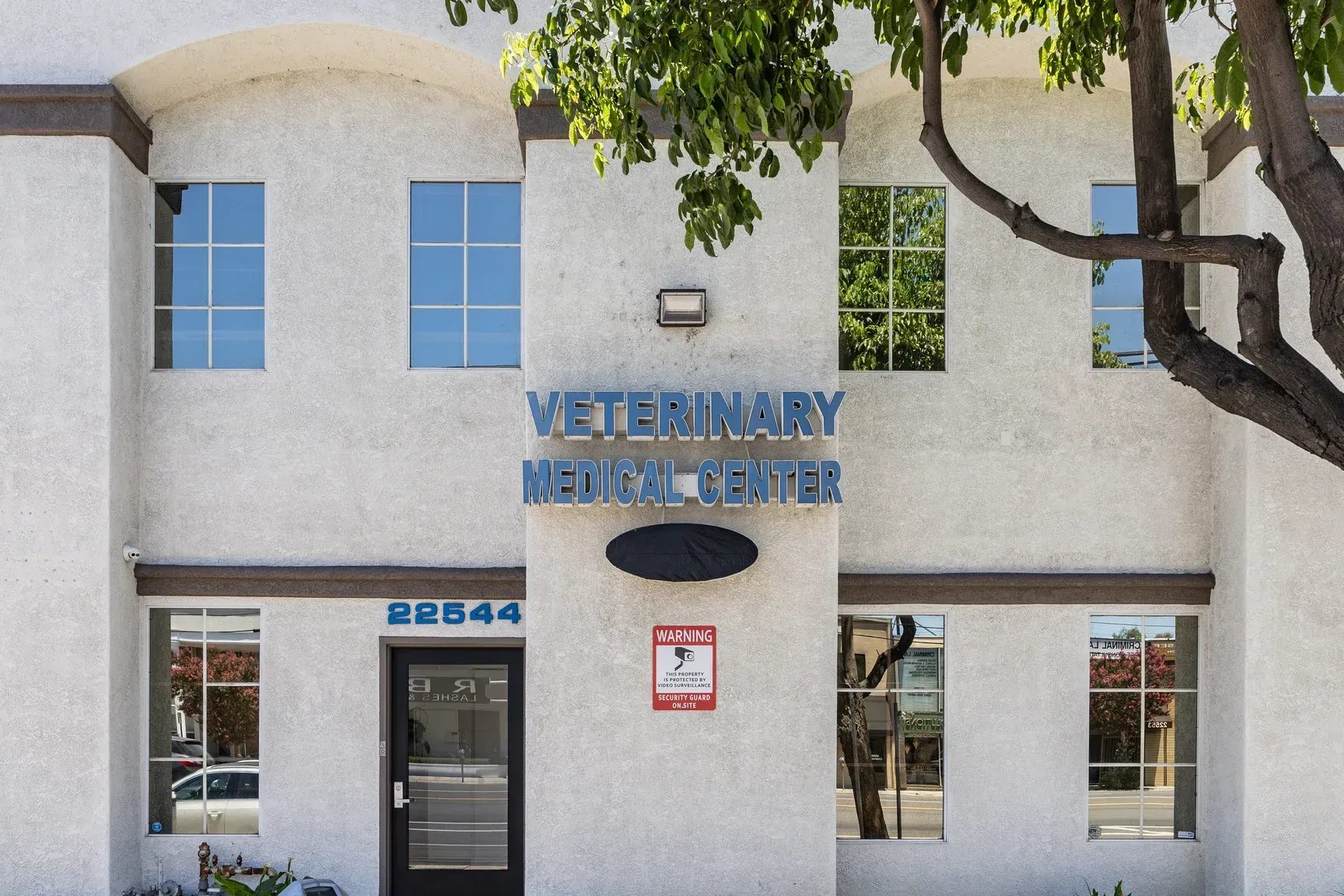
Start at Struckus House and head to Veterinary Medical Center of Woodland Hills at 22544 Ventura Blvd, Woodland Hills, CA 91364.
Should You Meet the Vet Before Your Puppy Arrives?
Yes, it's a great idea to talk to us before bringing your puppy home. Here's how to prepare:
- Call our clinic. Let us know your puppy's breed, age, and any health concerns. We can advise on the best timing for the first visit.
- Ask about the vaccination schedule. We'll help you plan the first year of vaccines and preventatives.
- Get a puppy starter kit. We can recommend food, supplies, and training resources to set you up for success.
- Schedule the first appointment. Book a time that works for you, ideally within 48 hours of bringing your puppy home.
Puppy First Vet Visit Checklist: What to Bring
Make your first visit smooth by bringing these items:
- Breeder or shelter records. Any vaccination, deworming, or health paperwork you received.
- A fresh stool sample. Collect a small sample from your puppy's bowel movement within 24 hours of the visit for the fecal test.
- Your puppy's favorite treats. Rewards help create a positive association with the vet.
- A list of questions. Write down any concerns about feeding, behavior, or health so you don't forget.
- A carrier or leash. Keep your puppy secure and comfortable in the waiting area.
Walking Your Puppy Before Vaccinations: What's Safe
A good fit if…
- You carry your puppy in a clean carrier or on a leash in low-risk areas like your own backyard.
- You avoid areas where other dogs may have defecated, such as public parks or sidewalks.
- Your puppy has had at least their first set of vaccines and is on parasite prevention.
Consider another option if…
- Your puppy is under 8 weeks old and hasn't had any vaccines.
- You live in an area with known parvovirus or distemper cases.
- You want to take your puppy to dog parks or high-traffic pet areas before full vaccination.
Puppy socialization is important, but so is safety. Talk to us at your first visit about a safe socialization plan for your neighborhood in Woodland Hills or Calabasas.
Understanding the 7-7-7 Rule for Puppies
The 7-7-7 rule is a guideline for responsible puppy raising, not a medical schedule. It suggests that by 7 weeks of age, a puppy should have spent 7 hours a day interacting with people and other animals, and by 7 months, they should have visited 7 different places. While this rule emphasizes early socialization, it doesn't replace the veterinary vaccination schedule. Always prioritize your puppy's health and consult with us before exposing them to new environments.
For details on services and visits, see the main page about veterinarian woodland hills.
Sources
Frequently asked questions
What to expect at a vet appointment?
At your puppy's first vet appointment, we'll perform a thorough physical exam, give initial vaccinations, deworm, discuss parasite prevention, and answer your questions. The visit typically lasts 30–60 minutes.
Can my dog eat before going to the vet?
Yes, your puppy can eat a normal meal before the visit unless we advise otherwise. However, if blood work is needed, we may recommend fasting for a few hours. Call us ahead if you're unsure.
Can a puppy go 12 hours without food at night?
Young puppies (under 4 months) should not go longer than 8–10 hours without food due to their small stomachs and risk of low blood sugar. Feed them small, frequent meals as recommended by your vet.
What month is hardest with a puppy?
Many owners find the 4–6 month period challenging due to teething, increased energy, and testing boundaries. Consistent training and regular vet visits can help navigate this stage.
Also asked as
- What age should a puppy have its first vet visit?
- When should I schedule my puppy's first vet appointment?
- How soon after getting a puppy should you take them to the vet?