
Questions
Why Veterinarians Are Important for Your Pet and Community
Veterinarians are important because they protect the health of your pets, safeguard your family from zoonotic diseases, ensure food safety, and contribute to the well-being of animals and people in our community.
The Rewards of Being a Veterinarian
Veterinarians are the doctors of the animal world, and the profession offers unique rewards and challenges. Here's a quick comparison of key aspects:
| Aspect | What It Means | Consider This |
|---|---|---|
| Financial benefits | Veterinarians earn a competitive salary, but it varies by location, experience, and specialty. | Ask for a quote from local clinics for specific roles. |
| What do veterinarians make? | Salaries vary widely; entry-level positions may start lower, while specialists earn more. | It's not as high as human medicine, but many find it fulfilling. |
| Challenges | Long hours, emotional stress from euthanasia, and burnout are common. | Self-care and support systems are crucial. |
| Is a vet harder than a doctor? | Both require rigorous training; vet school is competitive, and the work is physically and emotionally demanding. | It's different, not necessarily harder. |
| Is a 3.5 GPA bad for vet school? | It's competitive; many programs look for a strong GPA, but experience and letters of recommendation matter too. | A 3.5 is good, but aim higher if possible. |
| Is 27 too late to become a vet? | Absolutely not. Many veterinarians start later; life experience is valuable. | It's never too late to pursue your passion. |
If you're considering this path, talk to local veterinarians—like our team at Veterinary Medical Center of Woodland Hills—to get real-world insight.

How Veterinarians Protect Your Family's Health
Veterinarians are essential health workers who protect human health in ways you might not realize. Here's how:
- Control zoonotic diseases – They diagnose and treat illnesses like rabies, Lyme disease, and leptospirosis that can spread from animals to people, keeping your family safe.
- Ensure food safety – By inspecting meat, milk, and eggs, veterinarians help prevent foodborne illnesses and ensure the food you eat is safe.
- Monitor public health – They track disease outbreaks in animals, which can serve as early warnings for human epidemics, like avian flu.
- Promote preventive care – Through vaccinations and parasite control, they reduce the risk of diseases jumping from pets to people.
- Support One Health – Veterinarians work at the human-animal-environment interface, collaborating with doctors and environmental scientists to address global health challenges.
At our clinic in Woodland Hills, we take this responsibility seriously, helping protect families in Calabasas, Agoura Hills, and beyond.
What Veterinarians Do: More Than Just Pet Checkups
Veterinarians are essentially detectives for animal health. Their daily work involves diagnosing, treating, and preventing illnesses in pets, farm animals, and even wildlife. Here's a typical breakdown:
- Diagnose illnesses – They perform physical exams, run lab tests, and use imaging like X-rays to find what's wrong.
- Treat injuries and diseases – From setting broken bones to managing chronic conditions like diabetes, they provide medical and surgical care.
- Perform surgeries – Spay and neuter, tumor removals, and emergency procedures are common.
- Provide preventive care – Vaccinations, parasite prevention, and dental cleanings help keep animals healthy.
- Educate pet owners – They advise on nutrition, behavior, and home care to improve animals' lives.
- Support public health – They work in food safety, disease control, and research to protect both animals and people.
Our team at Veterinary Medical Center of Woodland Hills is proud to offer these services to pets in Woodland Hills and surrounding areas.
Veterinarians: Essential Workers for Animals and People
Veterinarians play a vital role in society, contributing to animal health and welfare, public health, and environmental conservation. Here's how they make a difference:
- Protect animal welfare – They treat sick and injured animals, prevent suffering, and advocate for humane treatment.
- Conserve wildlife – Many veterinarians work with zoos, wildlife reserves, and conservation programs to protect endangered species.
- Ensure food safety – By overseeing livestock health, they help produce safe meat, milk, and eggs for our tables.
- Advance One Health – They collaborate with human doctors and ecologists to address diseases that cross species, like COVID-19.
- Support the human-animal bond – By keeping pets healthy, they strengthen the emotional connection between people and their animals.
From Woodland Hills to Malibu, veterinarians are essential to the health of our community.
One Health
One Health is a collaborative approach that recognizes the deep connection between human, animal, and environmental health. It brings together doctors, veterinarians, ecologists, and other experts to tackle health challenges that cross species boundaries, such as zoonotic diseases, antimicrobial resistance, and climate change impacts. By working together, these professionals can detect outbreaks early, develop more effective treatments, and promote sustainable practices that benefit all living beings. For example, a veterinarian treating a dog for Lyme disease is also helping protect the human family from the same tick-borne illness. This interconnected view is why veterinarians are so important—they are essential guardians of the health of our pets, our families, and our planet.
Directions to our veterinarian in Woodland Hills from The Commons at Calabasas
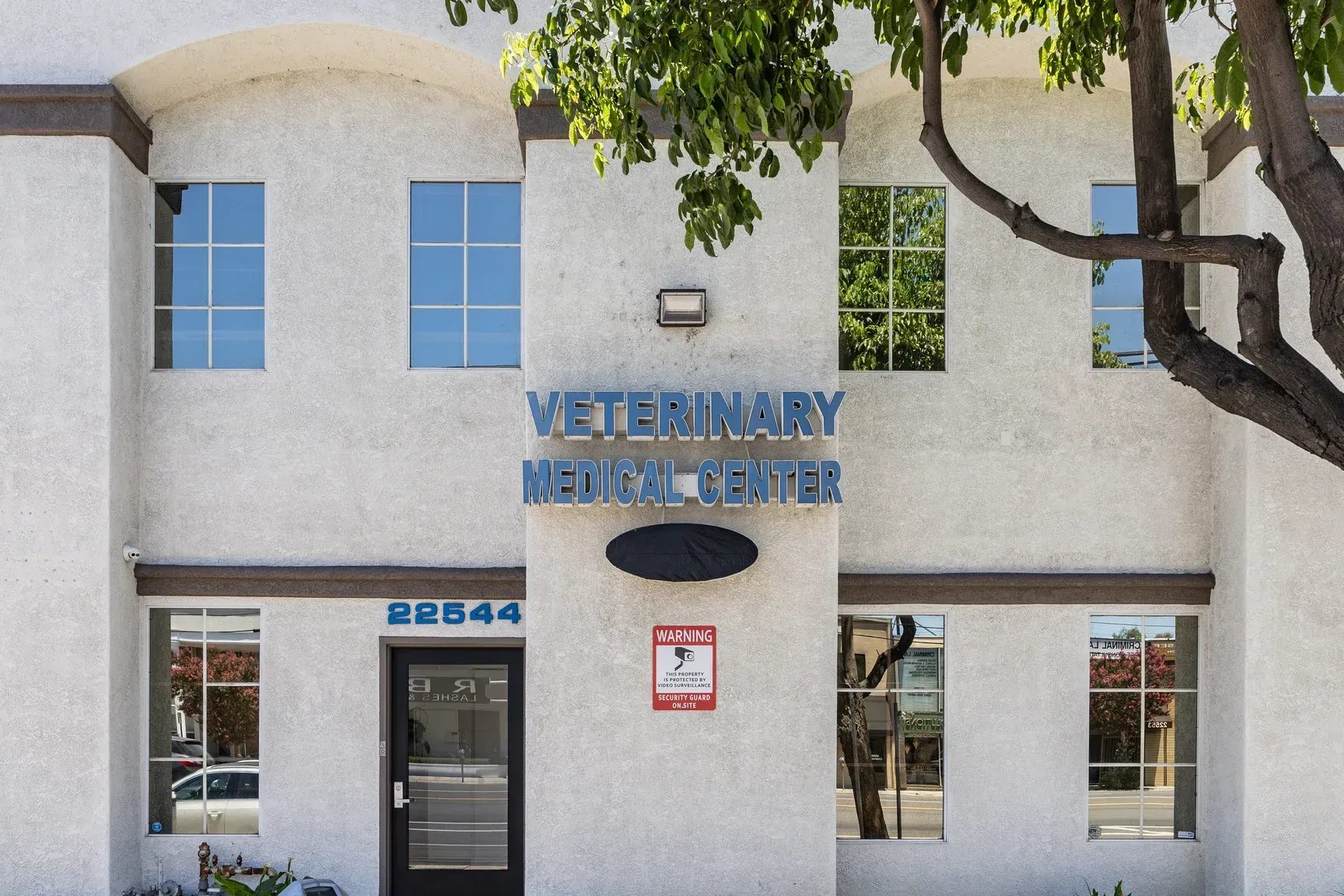
Start at The Commons at Calabasas and head to Veterinary Medical Center of Woodland Hills at 22544 Ventura Blvd, Woodland Hills, CA 91364.
A Day in the Life of a Veterinarian
Curious about what a veterinarian does on a daily basis? Here's a glimpse into a typical day:
- Morning rounds – Check on hospitalized animals, review overnight reports, and plan the day's surgeries.
- Appointments – See a mix of wellness exams, sick visits, and follow-ups, often with a variety of species.
- Surgery – Perform spays, neuters, dental cleanings, or more complex procedures.
- Lunch and paperwork – Catch up on medical records, lab results, and client calls.
- Afternoon appointments – Continue seeing patients, often including emergencies.
- Evening wrap-up – Update records, clean the clinic, and prepare for the next day.
Veterinarians typically work 8-10 hours a day, sometimes longer in emergencies. They wear scrubs or lab coats and often get dirty—but the reward of helping animals makes it worthwhile.
Becoming a Veterinarian: Education and Training Path
A good fit if…
- You have a strong passion for animal health and welfare.
- You're willing to commit to 8+ years of education (undergrad + vet school).
- You can handle emotionally and physically demanding work.
- You're okay with a competitive GPA (3.5 or higher is ideal).
Consider another option if…
- You're not prepared for the financial burden of vet school (tuition varies).
- You're uncomfortable with euthanasia or seeing animals suffer.
- You prefer a less stressful, 9-to-5 job.
To decide, shadow a local veterinarian—like our team at Veterinary Medical Center of Woodland Hills—to see if the reality matches your expectations.
Why Regular Vet Visits Matter for Your Pet's Health
Regular checkups help your veterinary team monitor your pet's health and catch problems early, when they're easier and cheaper to treat. Here's what to consider:
Benefits of regular visits
- Early detection – Annual exams can spot issues like dental disease, arthritis, or tumors before they become serious.
- Preventive care – Vaccinations, parasite control, and dental cleanings keep your pet healthy.
- Peace of mind – You'll know your pet is in good shape, and you can ask questions about behavior or diet.
Signs you should schedule a visit
- Your pet is due for vaccines or a heartworm test.
- You notice changes in appetite, energy, or behavior.
- It's been more than a year since their last checkup.
If you're in Woodland Hills, Calabasas, or nearby, we welcome new clients with a free first exam (terms apply). Call us at (818) 225-1661 to schedule.
For details on services and visits, see the main page about veterinarian woodland hills.
Sources
Frequently asked questions
What are five interesting facts about veterinarians?
Veterinarians can treat a wide range of species, from pets to farm animals to wildlife. They are trained in surgery, dentistry, and preventive care. Many work in public health, ensuring food safety and controlling zoonotic diseases. The profession is physically and emotionally demanding but highly rewarding. Veterinarians are also key players in the One Health approach, linking human, animal, and environmental health.
Is a vet harder than a doctor?
Both paths are challenging in different ways. Veterinary school is highly competitive, and vets must learn about multiple species, which adds complexity. Human doctors focus on one species but deal with more complex medical systems. The work can be emotionally harder for vets due to euthanasia and financial constraints from pet owners. Ultimately, it's not about which is harder, but which fits your passion.
Do we need veterinarians?
Absolutely. Veterinarians are essential for animal health, public health, and food safety. They prevent and control diseases that can spread from animals to people, ensure the safety of meat and dairy products, and support the human-animal bond. Without them, zoonotic diseases like rabies would be more common, and pet health would suffer.
What does a Doctor of Veterinary Medicine do?
A DVM diagnoses and treats illnesses and injuries in animals, performs surgeries, provides preventive care, and advises pet owners on nutrition and behavior. They also work in public health, research, and food safety. Many specialize in areas like dermatology, oncology, or emergency care.
What is the big 4 in veterinary medicine?
The 'Big 4' typically refers to the four most prestigious veterinary schools in the US: Cornell University, University of California-Davis, Colorado State University, and University of Pennsylvania. These schools are known for their rigorous programs and research contributions.
Also asked as
- Why are veterinarians essential for society?
- What is the role of a veterinarian in public health?
- How do veterinarians help animals and humans?